Most punters in Melbourne sit down expecting a quick spin, not a running ledger of every wager they have placed across a session. Live casino bet history flips that expectation by treating each round as a documented moment rather than a forgettable blur. It is less about chasing a big win and more about reading what you have actually done while the cards turn or the wheel slows. That distinction matters on a phone screen, where space is tight and attention drifts fast. If you are used to dropping coins into a ugga bugga slot machine and walking away, the difference is plain once you see your own tally laid out in real time.
Why the running record changes how you play
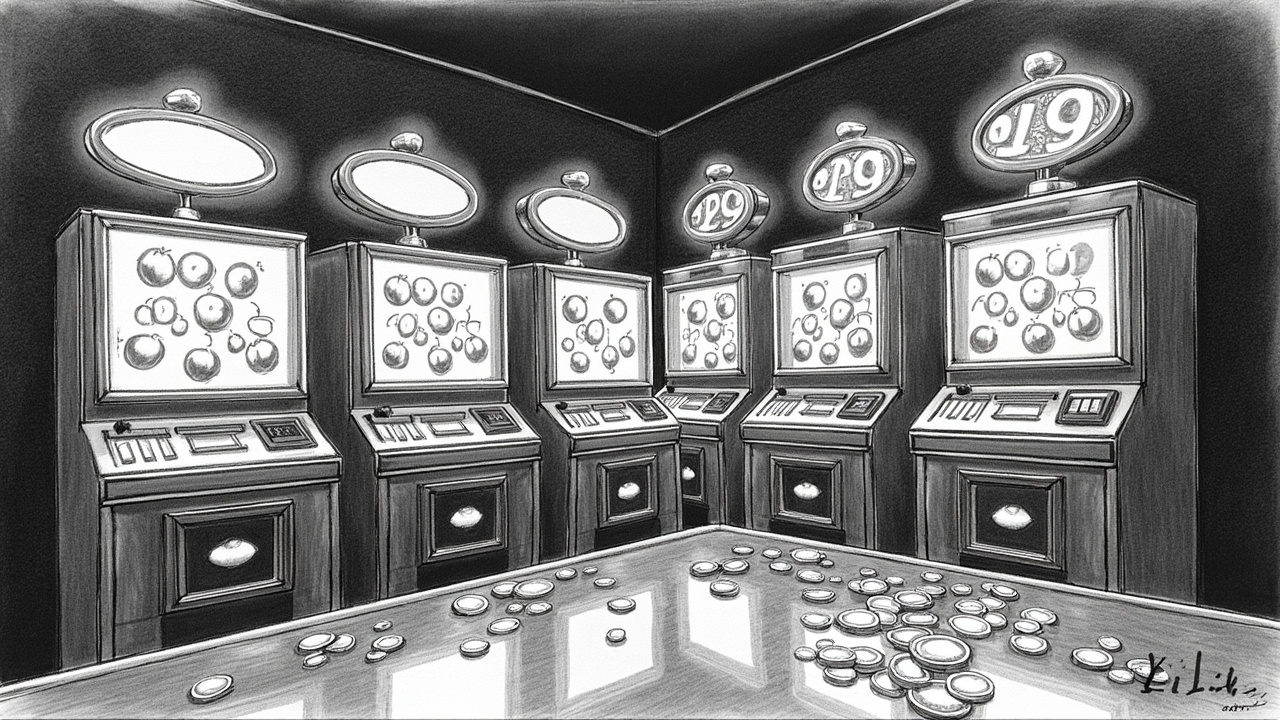
The whole point of a session log is to slow the habit down without killing the pace. Live casino bet history keeps a line on every stake, every result, and every time you sit out a hand, which gives you something concrete to look at instead of relying on memory. That matters because casino design deliberately encourages this immersive state, pulling your eye toward the next deal before you have properly read the last one. When the interface shows your own sequence, the rhythm shifts a touch. You start comparing what you planned to what you actually did, and that gap is where the useful habits form. It is not about second-guessing every move; it is about having a record that makes the next session a bit clearer.
The record also changes how you judge a table. A short run of wins can feel like a pattern when it is really just noise, and the log helps separate the two without pretending there is some hidden formula at work. You can see whether your stakes stayed steady or crept up as the shoe turned, which is the sort of detail that gets lost when you are watching a live croupier and a chat window at the same time. None of this guarantees a better outcome, and it is never a substitute for knowing when to stop, but it does give you a clearer picture of your own play. That is worth more than a vague feeling that you were either on a hot streak or just getting lucky. Liquorandgaming
Mobile usability without the fuss
A session log only earns its keep if it is easy to read on the device you are actually using, and that is where mobile fit comes in. The layout has to hold up on a phone browser and in an app without feeling cramped, because half the point is glancing at your history between rounds rather than hunting through menus. Responsiveness matters more than flashy animation here; the numbers need to stay legible when you are holding the phone one-handed on a train or in the corner of a pub. Performance is the quiet test, since a laggy refresh will turn a useful record into a nuisance before the next hand even starts.
Navigation should keep the history close to the table view instead of burying it behind layers of tabs. A mobile-first fit means the log sits where you can reach it without losing the live stream, and that usually means a clean split between the game and the record rather than swapping screens constantly. It also helps if the same layout carries across sessions, so you are not relearning the interface every time you open it. None of this needs to be complicated, but it does need to be consistent. If the history is there, it should behave like a normal part of the screen, not a bonus feature that only appears when you remember to look for it.
What the history actually shows you
A decent record breaks down into the bits that matter and the bits that just fill space. Stake size, timing, and result are the core of it, and those three tell you most of what you need without dressing it up. You can see whether your bets stayed within the range you intended or drifted as the session went on, which is often more useful than a single win or loss figure. The timing element matters too, because a string of quick decisions reads differently from a slower, more deliberate run, even if the outcome looks similar at first glance.
The result column is where people sometimes read too much into a short sequence, and that is fair enough; a few lucky hands do not make a strategy. The value is in the shape of the session rather than any single line, so you can tell whether you were betting steady, chasing, or just sitting out rounds between deals. Some operators also tie the history into bonus mechanics, where a recorded session can feed into a loyalty tally or a small reward structure, but the details vary and the record itself is what stays useful. It is a practical bit of feedback, not a scorecard, and it works best when you treat it that way.
Keeping the record in context
A session log is only useful if you keep it in the right frame, and that means remembering it is a record of play, not a prediction of what comes next. Australian players are used to state-level regulators setting the rules of the room, and that same caution applies here: the history is there to inform your own decisions, not to tell you what the next card will be. It is a fair way to check your own habits without turning every session into a spreadsheet exercise. If you have ever tracked a Tote or parimutuel betting pool, you know the idea of all bets going into one pot and winners taking a share after the operator’s cut; the casino record is different, but the habit of reading the numbers before you commit is similar enough to be worth keeping in mind.
The practical side is simple. You can use the history to notice whether you are sticking to the limits you meant to set, or whether the pace of a live table is pulling you into faster bets than you planned. That is where the record earns its keep, because it gives you something to compare against instead of relying on a rough memory of the session. It also helps to keep the log in view without letting it dominate the table, since the live dealer and the game are still the main event. Used sensibly, it is just a clearer way to see what you have been doing, which is enough to make the next session a bit more deliberate.

A clear running record is a modest tool, but it does the job it is meant to do. Live casino bet history gives you a way to read your own session without pretending the numbers tell the whole story. Keep it in view, use it to check your own habits, and let the live game stay the main event.